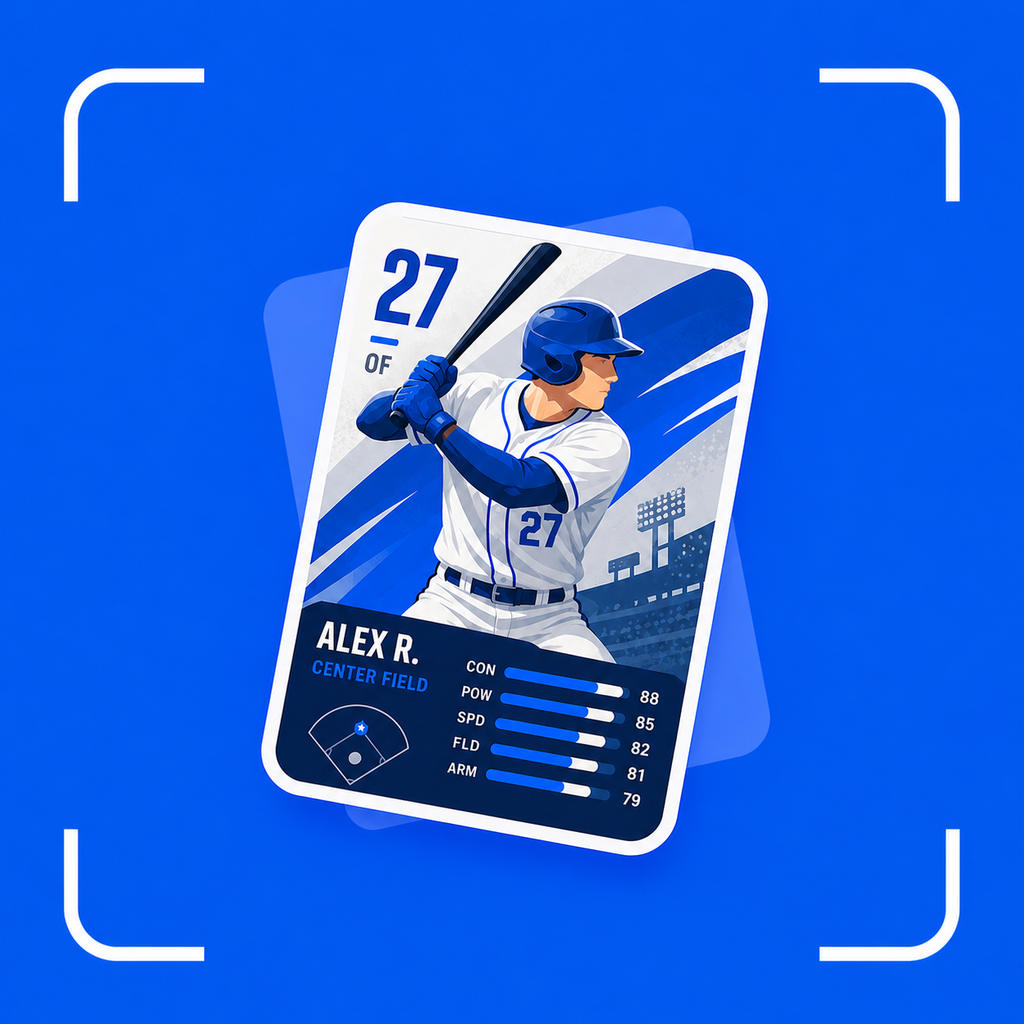
1. Identify the exact card
Start by recording the player, year, brand, set, card number, and any variation or parallel. Small differences can have a large effect on demand. Rookie status, autographs, serial numbering, and special inserts can matter too. Compare the card itself with a reliable checklist or catalog rather than relying on a player name alone.
2. Look for completed sales
Asking prices show what sellers hope to receive. Completed sales show what buyers have recently paid. Search for the same card and version, then compare several recent transactions when possible. Note the date, venue, and whether the card was raw or professionally graded. A single sale may be an outlier.
3. Compare condition honestly
Condition can change a card’s price substantially. Look at corners, edges, surface, and centering under good light. Creases, dents, print lines, and wear can affect demand. Do not assume that an ungraded card will receive a particular grade; professional grading outcomes are not guaranteed.
4. Account for timing and uncertainty
Sports card prices move with player performance, news, collector interest, supply, and broader market conditions. Older sales may no longer be representative. Fees, shipping, venue, and buyer preferences can also affect the amount you receive.
5. Use tools as a starting point
SnapCard can scan a card, help identify it, and show available value insights in the app. Use those insights to guide further research, then check that the match and comparisons fit your exact card. Estimates are not guarantees of a sale price or financial advice.
Want to organize the cards you research? See how a card collection tracker can help, or visit the sports card scanner page.